


I do read a lot of fiction and watch an ungodly amount of television. So, I’m well practiced in suspending my disbelief in service to enjoying my reading and watching. But accepting the existence of dragons in Game of Thrones is different than accepting false and pernicious tropes that are too readily believable by many.
The Madison is a dreck of a television show created by manosphere adherent Taylor Sheridan of Yellowstone fame. I made the mistake of watching the first episode. The plot was clumsy and the writing was awful–––don’t ever waste Michelle Pfeiffer like that!
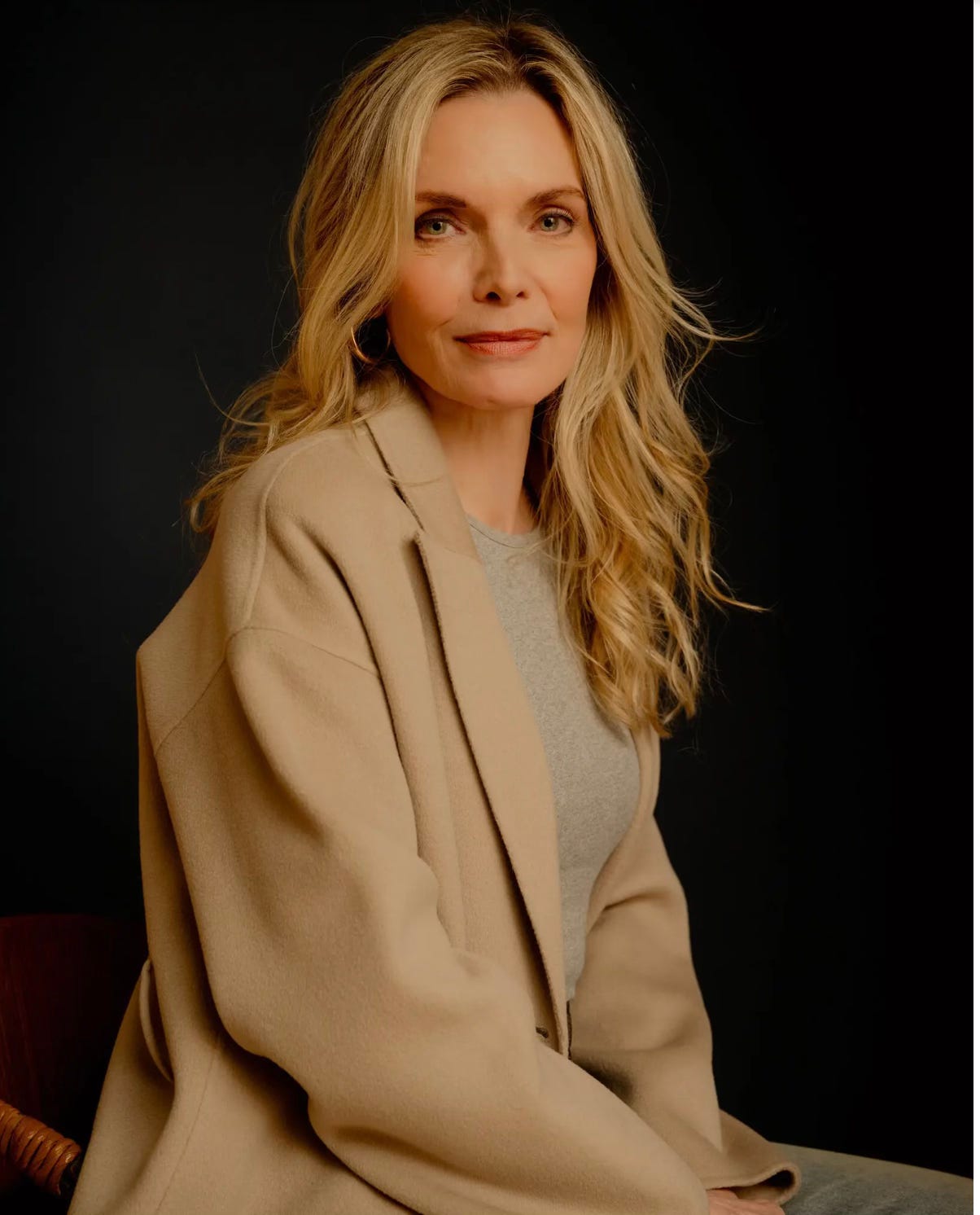
But more importantly, the show feeds into the myths that the Manhattan rich are miserable pricks, that New Yorkers live in a hellhole with no sense of community, and that poor New Yorkers are stupid.
Also, if you want a chance at a virtuous life, be a cowboy or a cowboy’s wife. Real men don’t work in offices.1 Real women cook meals and eat elk.
In considering the scheme of the world’s problems, it’s easy to dismiss The Madison as unimportant fluff. Yet millions of people will watch the show and be sold contempt as a way of feeling better about their own status.
Hate the rich because they hoard wealth but still don’t know how to be happy. Hate the poor because they create their own problems and then expect us to feel sorry for them. Hate New York City because it’s not where “real Americans” live.
Contempt is a corrosive form of hate, dividing between a better “us” and a lesser “them.”
The kindness of strangers
A few weeks ago, I fell in a fresh snow bank outside the Metropolitan Museum of Art. I was carrying Sophie, my beloved Shih Tzu. I was seeking dry sidewalk because Sophie hates the snow.
It was a soft, slow fall and I was unhurt. I managed to keep my grip on Sophie and hold her aloft.
Immediately, two strangers rushed over to see if I was okay and to offer their help.
I’m clumsy. In my 64 years, I’ve probably fallen down on the streets of Manhattan at least a half-dozen times. And I’ve seen at least fifty other people fall. In every instance, people came over to offer aid to the fallen person. It’s what you do in a crowded city.
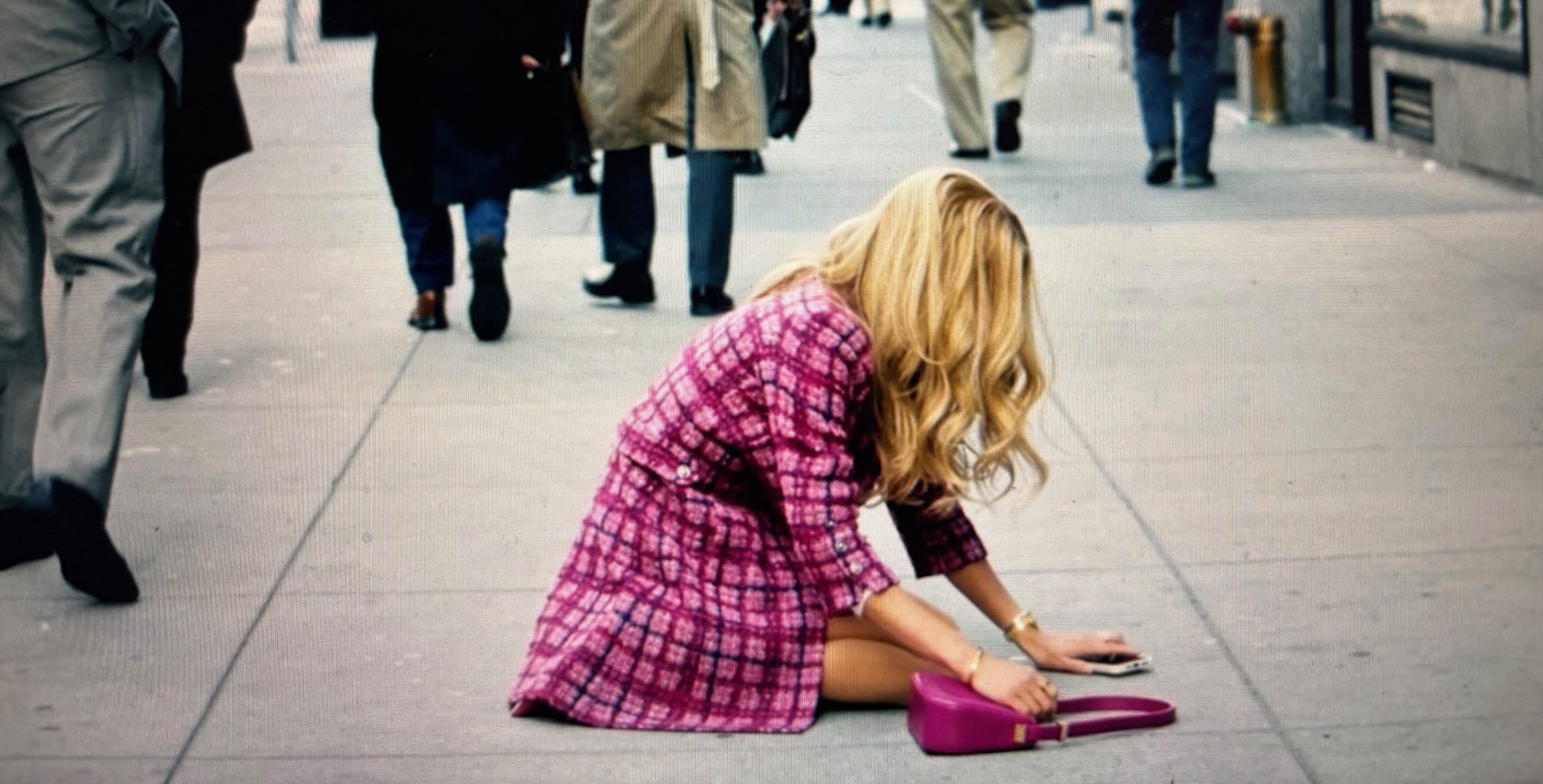
In ridiculous contrast, The Madison opens with an attractive, young, leggy blonde walking on a crowded downtown Manhattan street sporting shopping bags. She name checks Hermes and Brunello as her purchased items. Then she’s punched in the face by a mugger who steals her bags and flees.
It’s a sucker punch. The blonde collapses to the sidewalk. No one stops to help. The crowds stream around and past her as if she were a rock in a river.
When her father (played by Kurt Russell) hears about the assault on his daughter, he complains to his wife (Michelle Pfieffer) that their daughter should not have been walking but should have “taken the car,” meaning their car and driver.
Kurt is speaking to Michelle from Montana where he’s on his annual trip with his brother to go fly-fishing. Michelle’s back in New York City. She’s not a fan of fly fishing or a lack of indoor plumbing.
(Spoiler ahead but only for the first 25 minutes of the first episode.)

Kurt Russell wonders why their family lives in such a dangerous city when they could be enjoying the beautiful wilds of Montana. So much safer than New York City except for the bears, the hornets, the actual crime statistics,2 and the sudden storm that causes Kurt and his brother to crash their plane into a mountainside and die.
The show’s false myth is that New York is unsafe and New Yorkers are unfriendly.
The Myth of Miserable Manhattanites
Still staying within the first episode of The Madison, Michelle Pfeiffer is dishing over lunch with her best friend who says that if they ever left New York, they would have nothing to talk about because leaving New York is the main topic of conversation among their wealthy set.
It’s true that many wealthy New Yorkers consider leaving because a certain amount of wealth entitles you to live anywhere. That’s a benefit not a hinderance of wealth.
It’s also true that a fair number of wealthy New Yorkers age out and leave for Florida for the weather, the lower taxes, and the golf. But the majority stay because most of us love this city, which, admittedly, is a lot easier to love if you’re either wealthy or young.
Before Kurt Russell dies his fiery death, he bemoans that he’s 64 (my age), and having lived in the city, he’s running out of time to “make memories.” 3
And, damn it, Michelle tells him he has to go back to the city to attend the Met Gala, which an ordinary rich guy would never be invited to,4 and, if he was, the Gala would be far more memorable than anything Kurt could possibly do in Montana. Except die in a plane crash.
Kurt’s problem is that he works all the time so he can support his two ungrateful and spoiled adult daughters who see him as only the “bank of dad.” The show implies it’s the Manhattan lifestyle that has led to Kurt and Michelle’s poor relationships with their children.
But if you’re a careless parent, you’ll be a careless parent no matter where you live. Or what your economic status is.
In Montana, Kurt tells his brother about his recent family vacation to an unnamed Caribbean island where the hotel rooms cost $10,000 a night and all the fellow guests on the beach are in their 70s and 80s. The aged beach people have “made it” but it’s too late for them to enjoy the fruits of their demonic workaholism because their bodies have given out.
The island is unnamed because no such geriatric paradise exists. But it’s a convenient addition to the myth. Some people will want to believe that the rich, especially the New York rich, live lives of striving desperation until they grow old and decrepit.
The stupid poor
We’re still at the start of the first episode when Michelle is at a charity lunch about giving assistance to the poor. A cartoonishly obnoxious wealthy woman leans over to tell Michelle that the poor eat junk food because they “don’t know any better.”
The wealthy woman goes on to say that the poor refuse to help themselves from the food bank’s abundant selection of fresh produce, a selection she claims is better than the wealthy woman’s Whole Foods.
Nonsense.
I know a fair amount about food insecurity among the impoverished. My family’s biggest charitable project is supporting a local food pantry to deliver robust bags of food to 250 school families at their school door in Washington Heights 40 weeks a year.
I visit the school and talk to the parents and the principal and the people who run the food pantry. I know that the parents want nutritious food and they want as much fresh produce as possible.
So, the claim that the poor would not snap up fresh and nutritious food is pure nonsense.
I’m also a faithful reader of Untrickled by Michelle Teheux, a Substack newsletter in which Michelle writes passionately and knowledgeably about our current exacerbated economic inequality and what it’s like to be on the impoverished side of that equation.
I learn a lot from reading that newsletter.
Michelle recently wrote a particularly illuminating article called Let Them Eat Fast Food about food insecurity and the misguided notions of many people about eating while impoverished. I strongly recommend the article and her Substack.
In her article, she details what it’s like to feed a family when you’re short on time or short on money or short on both. She’s lived it.
Fast food is expensive compared to cooking at home and far less nutritious. For the poor, fast food is an extravagant last resort when time runs out and you need to feed your kids and yourself in a hurry.
As for the “ignorant purchase of junk food” at the grocery store, Michelle (of Untrickled) describes how it’s often the least worst of options.
“A frozen pizza means dinner gets made. Hot dogs mean a kid can feed themselves if a parent is working late. Those choices aren’t about nutrition. They’re about logistics.”
That stray comment on the show about the poor and how they “choose” to eat has a special kind of malice. It was largely left unchallenged so that it might enter with insidious intent into the minds of viewers. 5
Light a candle and curse the darkness
In last week’s post I highlighted that I was featured in a New York Magazine article called What Does Extreme Wealth Do To The Brain. I’ve looked at the comments on the magazine’s website and Instagram. One has to search hard for any positive or even neutral comments. 6
Of course, it’s not surprising that haters predominate among the commenters. Such is the way of most social media.
Still, it was jarring to me to read such a pure stream of anger and hate. I think that’s one reason I reacted so negatively to The Madison’s unsubtle implications about the extremely wealthy and about New York City.
I shouldn’t take it personally but I do. And I know that the reach of this newsletter, which seeks to present an authentic picture of myself as a wealthy New Yorker, is no match for the reach of a mass market show like The Madison.
But every bit helps.
Question for the comments: Are there shows that tick you off as The Madison did me? Barring that, any good TV show recommendations?
I “bonded” with Michelle Pfeiffer’s hapless “finance bro” son-in-law who works in an office and thus is not manly.
At dinner (still in the first 25 minutes!), Michelle asks him if anything interesting happened to him that day other than his wife getting punched. He responds by describing a business deal he’s working on that I thought was interesting.
But Michelle interrupts him with undisguised scorn and says, “So, nothing interesting happened to you.”
Also, a bit later in the episode the son-in-law is flummoxed by the barbecue in Montana.
I can relate!
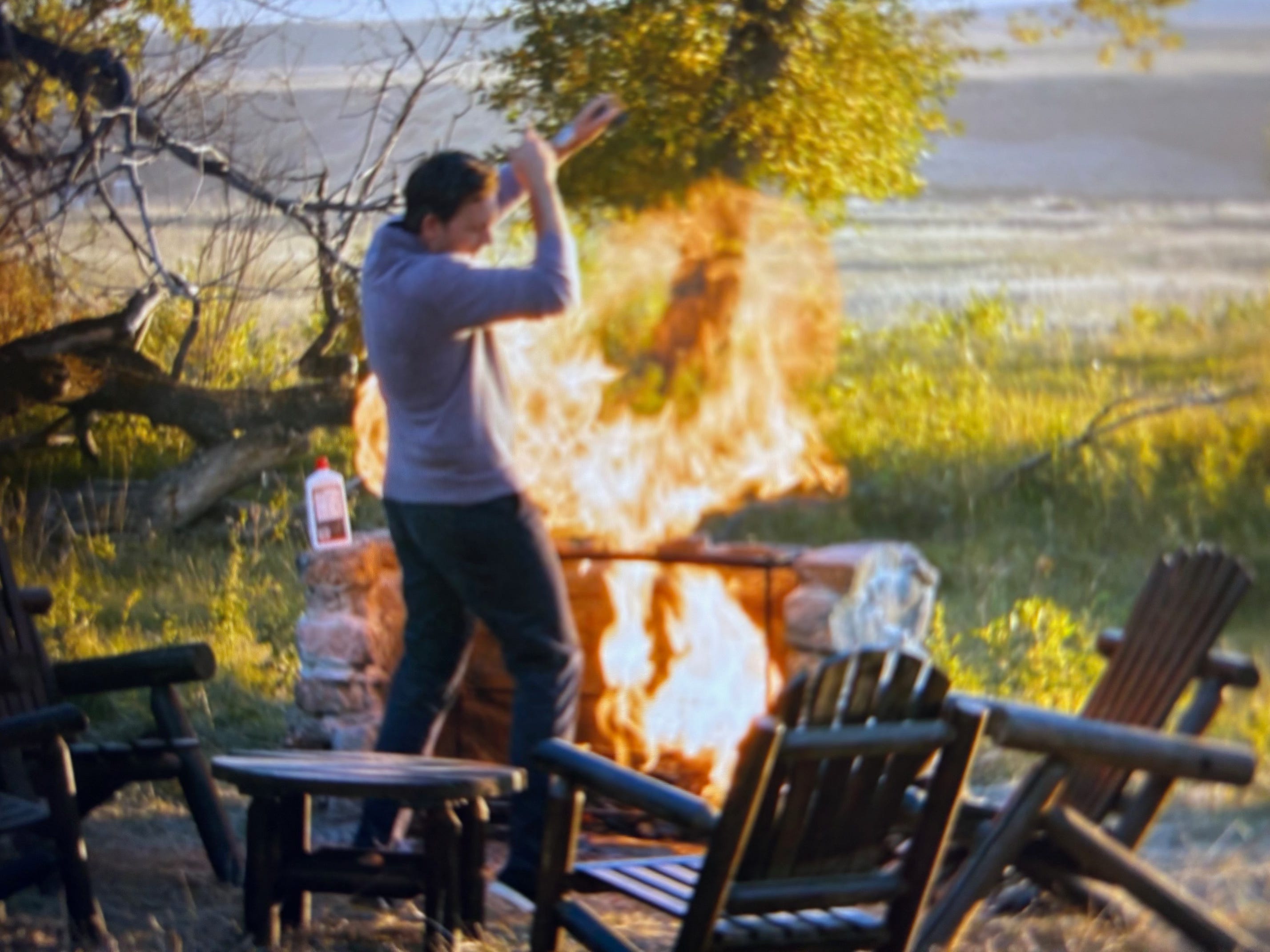
The NYC 2024 murder rate was about 4 per 100,000 residents. Source: Brennan Center for Justice article that called NYC “one of the safest cities in the country although challenges remain.” The Montana 2024 murder rate was slightly lower at about 3 per 100,000. Both places are safe if you don’t take stupid risks.
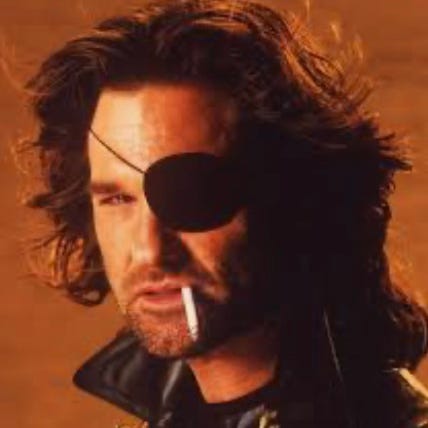
My brother-in-law Ken who watched The Madison with Debbie and me (sorry, Ken!), recalled that Kurt Russell starred as Snake Plissken in the 1981 movie Escape From New York. And in that movie, unlike in The Madison, his character survives.
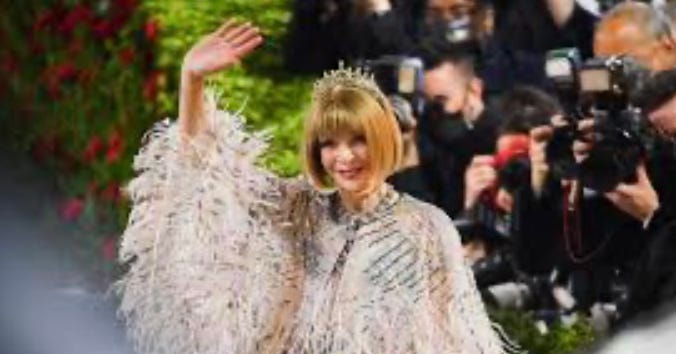
Anna Wintour, fashion editor icon, decides who can attend the Met Gala.. It’s an event you cannot buy your way into. At least that’s my understanding. Donald Trump has been banned at least since 2017. Confirmation sought from Carson Griffith of Rich People Shit
If “insidious intent” rings a bell, it’s because it’s in the first stanza of a favorite poem, “The Love Song of J. Alfred Prufrock” by T. S. Elliot.
“Let us go then, you and I,
When the evening is spread out against the sky
Like a patient etherized upon a table;
Let us go, through certain half-deserted streets,
The muttering retreats
Of restless nights in one-night cheap hotels
And sawdust restaurants with oyster-shells:
Streets that follow like a tedious argument
Of insidious intent
To lead you to an overwhelming question ...”
The one somewhat positive comment to the New York Magazine article was the below disagreement that the ultra wealthy are boring:
“In fact, tons of the super rich I know (I work for a design magazine) are incredibly cultured, well-educated and deeply curious about the world. It's kind of annoying because I do think their level of privilege is gross, so I would like to think they're boring, but that simply isn't true. Maybe you live somewhere where the super-wealthy are dull, but that ain't NYC.”
And below is a reply to one disparaging comment that mentioned my name.
“Robert’s who? Maybe im
Missing something”
That reply made me laugh.
Stirring up class hatred is a reliable way to get attention, that show’s producers know.
See also left-right, rich-poor and urban-rural divides.
THANK YOU for the call-out! It means lot to me.
One of my main goals is for people to realize poor and working class people are largely in that class for reasons unrelated to intelligence and merit.
The reply to the comment that made you laugh feels like “found poetry” 😂 I found Yellowstone almost unwatchable, in spite of the natural beauty and great actors because of the ugliness and smallness of the characters. Violence was strength, cynicism wit. I’ll skip this show too.